
Best Football Boots Under 100: Our Grassroots Picks
 By lfc_editor

Finding the best football boots under 100 pounds is the question we hear most often at Lakeland FC. It usually comes up right after someone’s old pair splits down the toe mid-season. We’ve covered kit and boots here for years, testing pairs on proper Sunday league pitches rather than in a studio. If there’s one myth worth killing off, it’s that you need a £250 flagship boot to play well.
The mid-tier market has quietly caught up. Some of the best value in football now sits comfortably under the £100 mark. Brands pour fortunes into putting elite pros in eye-catching colourways, and most of that marketing spend never touches the boot itself. What filters down into sub-£100 models is genuinely useful: softer uppers, better lockdown, and soleplates that flex the way a real foot moves.
We’ve tested plenty of these on battered 3G surfaces and heavy winter pitches. The gap between a £90 boot and a £220 one is smaller than most players think. Grassroots football is brutal on footwear anyway. Heavy clay in December, bone-dry pitches in August, and 3G turf that chews through stitching within a season make a different world from the surfaces the pros play on.
Buying a boot that looks the part but falls apart in eight weeks is money wasted, no matter how cheap it seemed at checkout. Before spending a penny, it’s worth reading our breakdown of what to look for before buying your next pair. Fit and stud pattern still beat the badge on the side, every single time.
Why the Best Football Boots Under 100 Now Rival Premium Pairs

A decade ago, a budget boot meant a stiff, plasticky shell that blistered your heels inside twenty minutes. That’s changed. Most sub-£100 boots today use soft synthetic microfibre or lightly treated calf leather on the upper. They’re paired with a TPU soleplate that flexes through the forefoot instead of sitting like a rigid plank underfoot.
Comfort and lockdown matter more than anything printed on the box. If your heel lifts or your foot slides during a sharp change of direction, you lose the split-second of control that separates a clean turn from a rolled ankle. We’d rather see a player in a snug £80 boot than a loose £200 pair bought a half-size too big because it was on sale.
Fit changes how you play, not just how comfortable you feel. A boot that locks your foot down properly lets you commit to challenges without hesitation. That trust in your gear feeds straight into confidence on the ball. Players who trust their footing challenge harder and recover their position with more conviction, especially in the last ten minutes when legs get heavy.
Matching Your Stud Pattern to the Pitch You Actually Play On
A large number of the boot complaints we hear from grassroots players have nothing to do with the boot itself. They’re simply wearing the wrong stud pattern for their home ground. Get this wrong and studs wear down early, grip disappears when it matters, and your knees take unnecessary strain.
- Firm Ground (FG): moulded conical or bladed studs built for dry, natural grass. This is the standard choice for most Saturday and Sunday league pitches through autumn and spring.
- Artificial Grass (AG): shorter, more numerous rubber studs that spread pressure evenly, cutting the twisting strain 3G surfaces put on your knees and ankles.
- Multi-Ground (MG): a hybrid pattern that copes reasonably well on both natural grass and newer 4G pitches, useful if your club splits fixtures between the two.
- Soft Ground (SG): traditional detachable metal-tipped studs for genuinely waterlogged, muddy winter pitches. Overkill for anything else, but essential once the mud takes over.
Wearing FG studs on artificial turf is one of the fastest ways to wreck a decent pair of boots. The studs wear unevenly within a few sessions, and reduced grip on 3G can actually raise your risk of slipping mid-sprint. If your club trains on 3G but plays matches on grass, owning two pairs beats compromising on one.
Three Sub-£100 Boots We Actually Rate
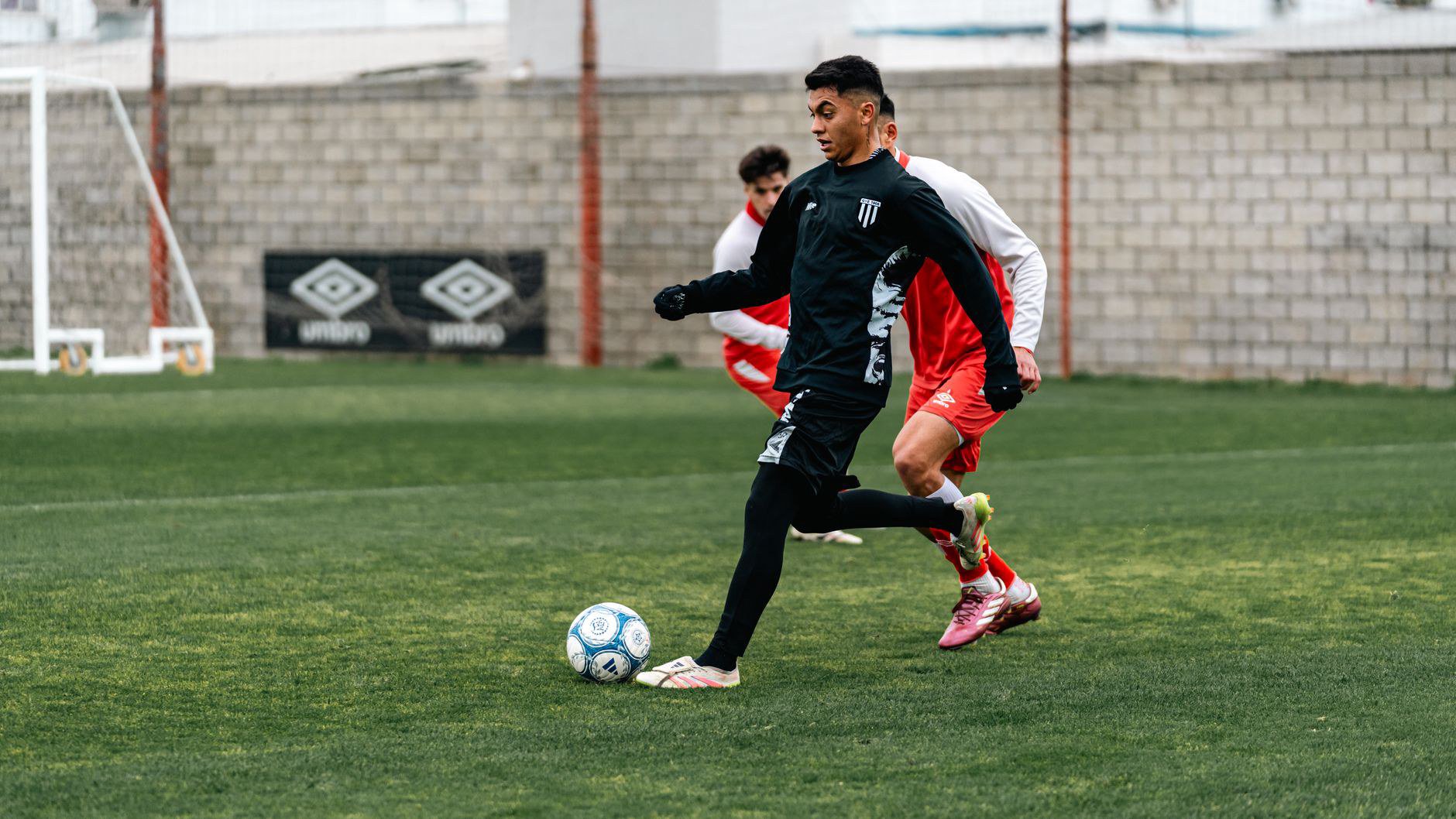
We don’t hand out recommendations lightly. Every model below has been worn through at least one full grassroots season by someone on our team or in our wider network of club contacts.
The Nike Premier III remains the standard-bearer for grassroots value. Built from soft leather with a classic fold-over tongue, it’s the boot most likely to feel comfortable straight out of the box, with almost no break-in period needed. At around £90, it’s aimed squarely at midfielders and defenders who want a clean, controlled first touch over flashy pace features.
The Adidas Copa Gloro takes a similar leather-first approach but runs slightly lighter. One of our regular Sunday league contacts switched to a pair last winter after years in traditional Copas. He reported barely any drop-off in touch or comfort, which says a lot for a boot roughly half the price of the flagship version. It suits box-to-box players who want the ball to sit rather than skid off the foot.
The Puma Future Match brings a more modern, synthetic build into the mix. It has adaptive compression banding across the midfoot and a dual-density outsole, all for under £80. It’s the pick for wide players and wingers who rely on sharp lateral movement rather than a traditional leather touch. None of these three will show up in a Champions League highlight reel, and that’s fine by us. What they share is a soleplate that flexes properly, an upper that doesn’t demand three weeks of painful breaking in, and stitching that survives a full season of grassroots abuse. For more pairs we’ve put through their paces, our gear reviews section covers everything from boots to gloves in detail.
Footwork and Conditioning Still Do Most of the Work
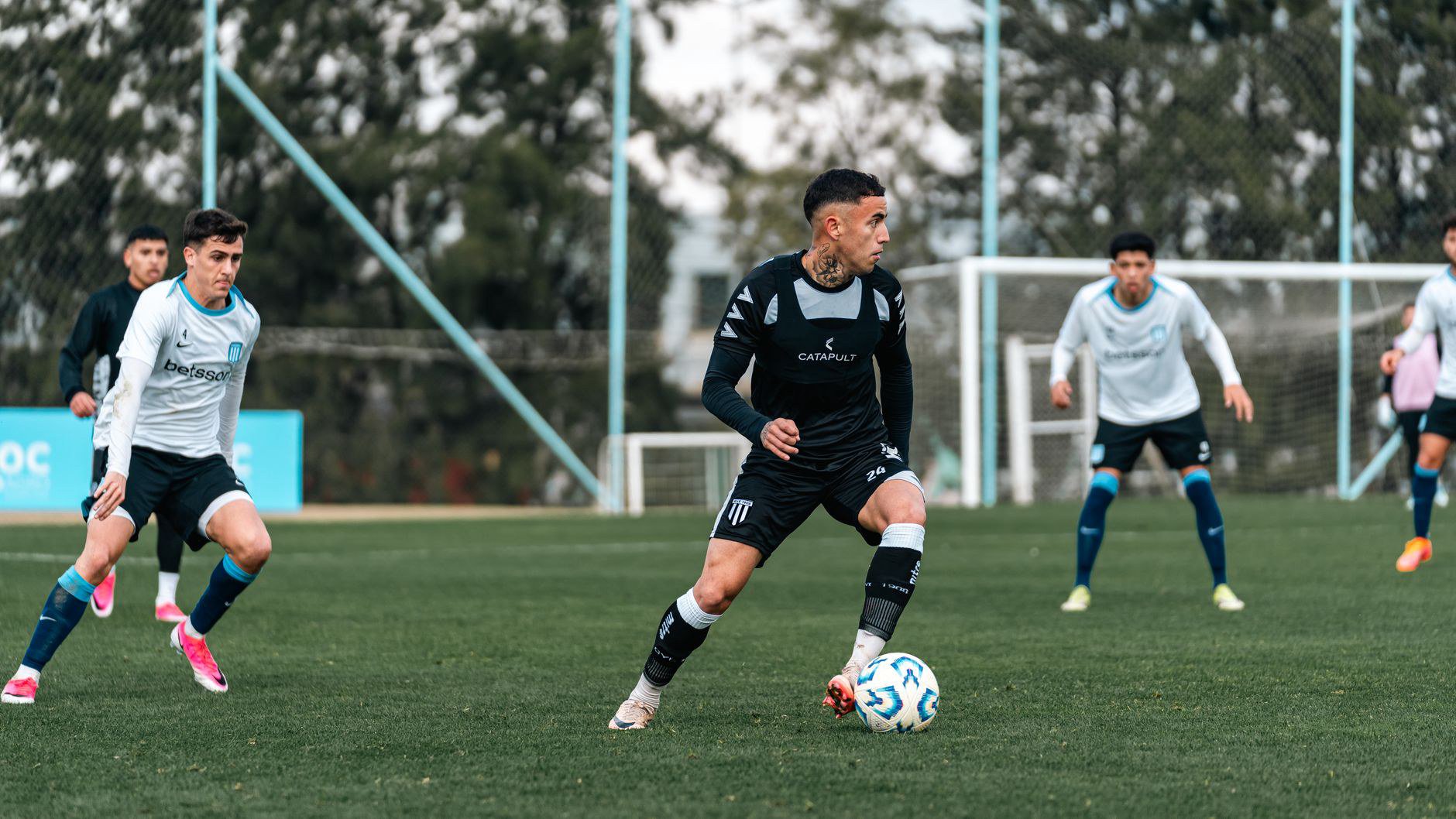
A great pair of boots won’t fix poor movement patterns. We say that as people who’ve made the mistake of blaming the boot when the real issue was technique. Ankle stability, first-touch control and balance all come from training, not from footwear. The boot just needs to get out of the way and let your feet do the work.
We’re big believers in simple, repeatable drills rather than expensive gadgets. A snug, well-fitted boot lets you feel the ball properly, but only regular touches under pressure actually sharpen that control. The two things go hand in hand, and neither works especially well without the other. Our grassroots training coverage has plenty of simple sessions worth borrowing if your club is short on ideas.
Plantar fascia strength and ankle mobility deserve more attention than most amateur players give them. Simple barefoot balance work, done a few times a week off the pitch, reduces arch fatigue during a long ninety minutes. It also cuts down on the rolled-ankle incidents that seem to plague five-a-side leagues every winter.
Caring for Sub-£100 Boots So They Last the Season

Proper care can roughly double the working life of an affordable boot, and it costs nothing beyond a bit of discipline after training. The single biggest mistake we see is players zipping muddy boots straight into a kit bag and leaving them there until the next session. Trapped moisture rots stitching and breaks down the glue holding the upper together far faster than normal wear ever does.
Rinse mud off with lukewarm water and a soft brush rather than blasting boots under a hot tap. Stuff them loosely with newspaper afterwards to draw out internal moisture and help the toe box hold its shape while drying. Keep boots away from radiators or any direct heat, because baked leather goes stiff and brittle, and hot air can warp a TPU soleplate permanently.
Rotating between two pairs also extends boot life considerably, even if the spare set is just a cheap pair of trainers for cage football. Giving leather twenty-four hours to fully dry out between sessions keeps it supple far longer than wearing the same damp pair twice in a week.
Getting the Fit Right for Wide Feet and Tired Arches
Wide-footed players have a genuinely harder time finding comfortable boots, and it’s rarely talked about outside forums and dressing rooms. Modern synthetic uppers stretch far less than old-school leather did. Sizing down for a snug fit, a common trick with leather boots, can leave you with bruised toenails and a cramped forefoot in a synthetic pair.
Look for boots with a naturally rounder toe box, or stick with softer calfskin builds that mould to your foot shape after a handful of sessions. It’s a small detail that makes a real difference over a full season. It’s also one reason we’d rather recommend trying boots on in person than buying blind online whenever that’s an option.
Insoles and Breaking Boots In Properly
Swapping out the factory insole is one of the cheapest upgrades available, and one of the most overlooked. Stock insoles in sub-£100 boots are often thin, flat foam with little real cushioning. A contoured orthotic insole with a metatarsal pad spreads stud pressure more evenly, stabilises the heel, and helps head off the plantar fasciitis flare-ups that hit hard during a congested festive fixture list.
Break new boots in gradually, ideally across a couple of light training sessions before asking them to perform in a competitive match. If you’ve gone for a leather upper, a light leather conditioner speeds up that break-in period and keeps the touch soft even when the pitch turns wet and heavy.
The Bottom Line on Value Boots
Chasing the best football boots under 100 pounds isn’t about settling for less. It’s about recognising that comfort, grip and a clean first touch matter far more on a Sunday morning pitch than the logo an athlete wears on television. We’ve watched plenty of players spend triple the money on a boot that didn’t fit their foot shape or their home surface, and we’ve also watched others turn out for years in a well-cared-for £80 pair that never let them down.
Get the stud pattern right for your pitch, buy a size that respects your actual foot shape, and look after the leather once the final whistle blows. Do those three things consistently, and a sub-£100 boot will carry you through a full season without complaint. From there, the only thing left to judge is your performance on the ball, which was always the point at Lakeland FC in the first place.
Related Analysis
Top 5 Things to Know About Football Boots Review
Confused by football boots reviews? Our team shares the five things we check before buying: surface,…
Top 5 Practical Lessons About Football Boots Review
Struggling to trust a football boots review? Our five hard-won lessons help you judge fit, surface,…