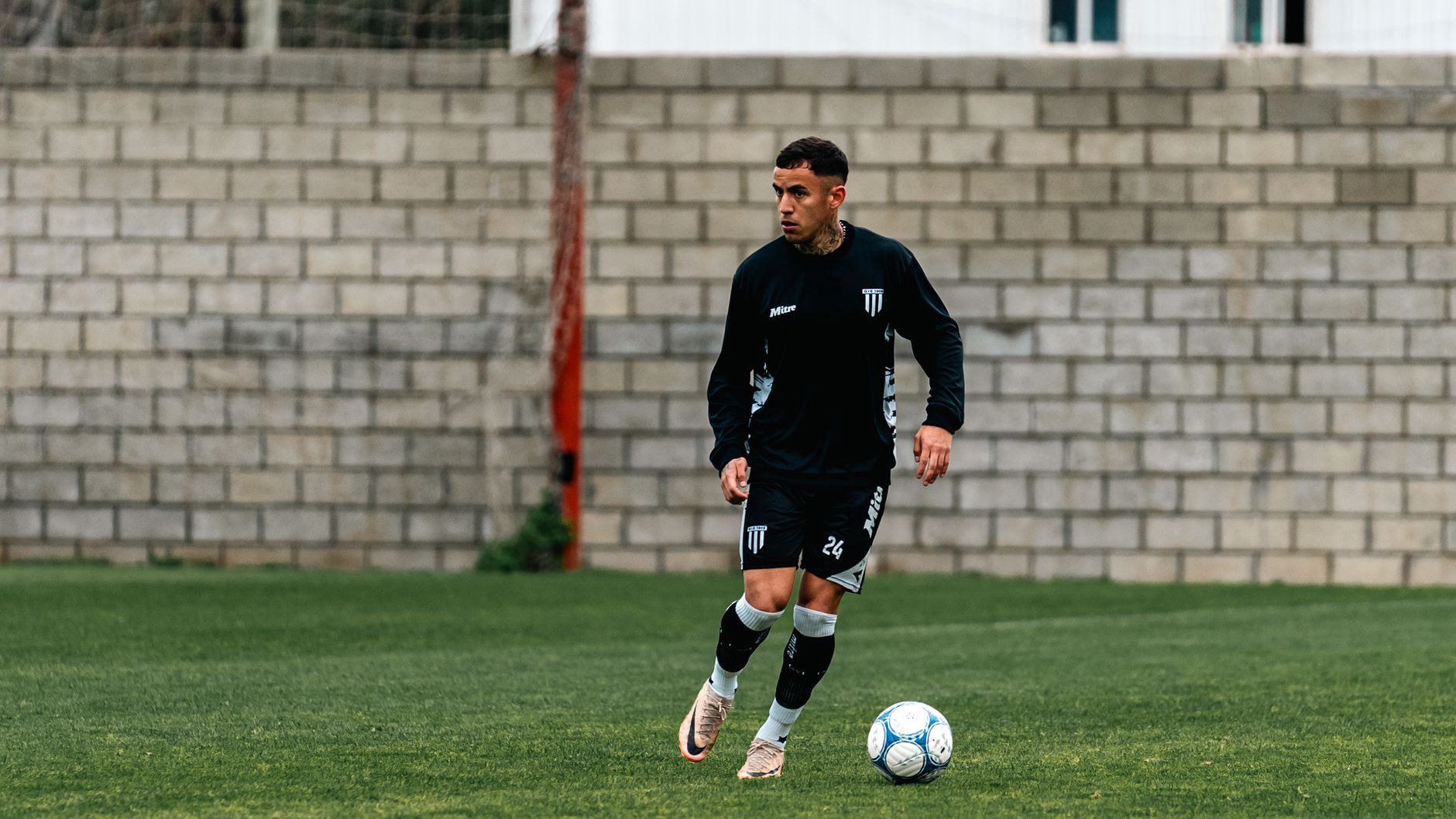
How to Choose Football Boots Fit: Positional Guide
 By lfc_editor
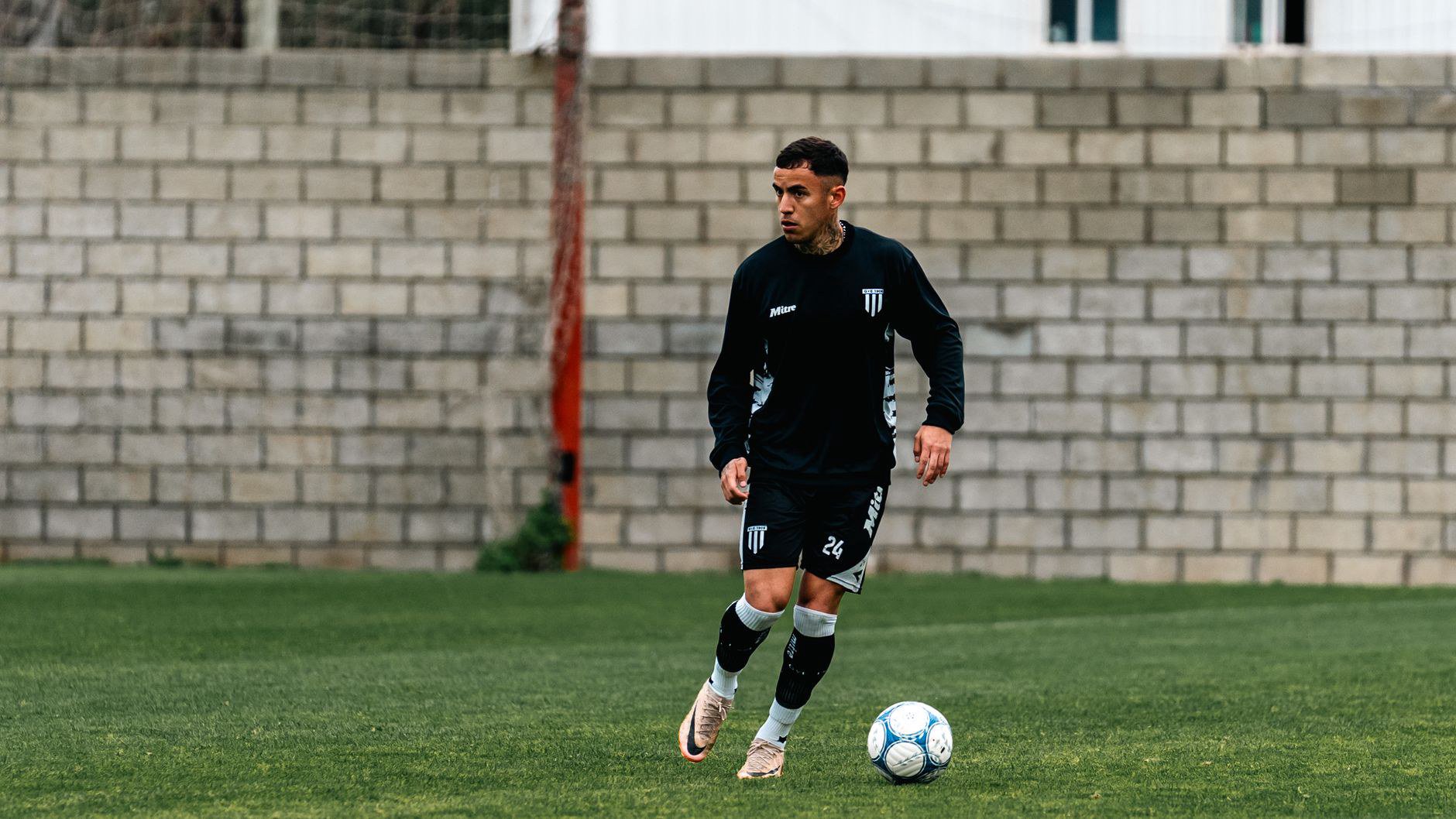
Selecting the ideal pair of football boots involves much more than picking an attractive colorway or copying what your favorite professional wears on television. A proper fit directly dictates your agility, ball control, and protection against painful blisters or metatarsal injuries. Understanding how to choose football boots fit correctly according to your on-pitch role and anatomical foot shape is one of the smartest investments an athlete can make.
Every grassroots player has experienced the misery of poorly fitting boots: numb toes, blackened toenails, or heel slippage that destroys sprint speed. Modern sports manufacturers produce specialized boots tailored for distinct foot profiles and positional duties. Investing twenty minutes into proper fitting saves weeks of injury frustration and ensures you perform at your peak across all four quarters of the season.
Anatomy of Boot Sizing: Width, Volume, and Lockdown
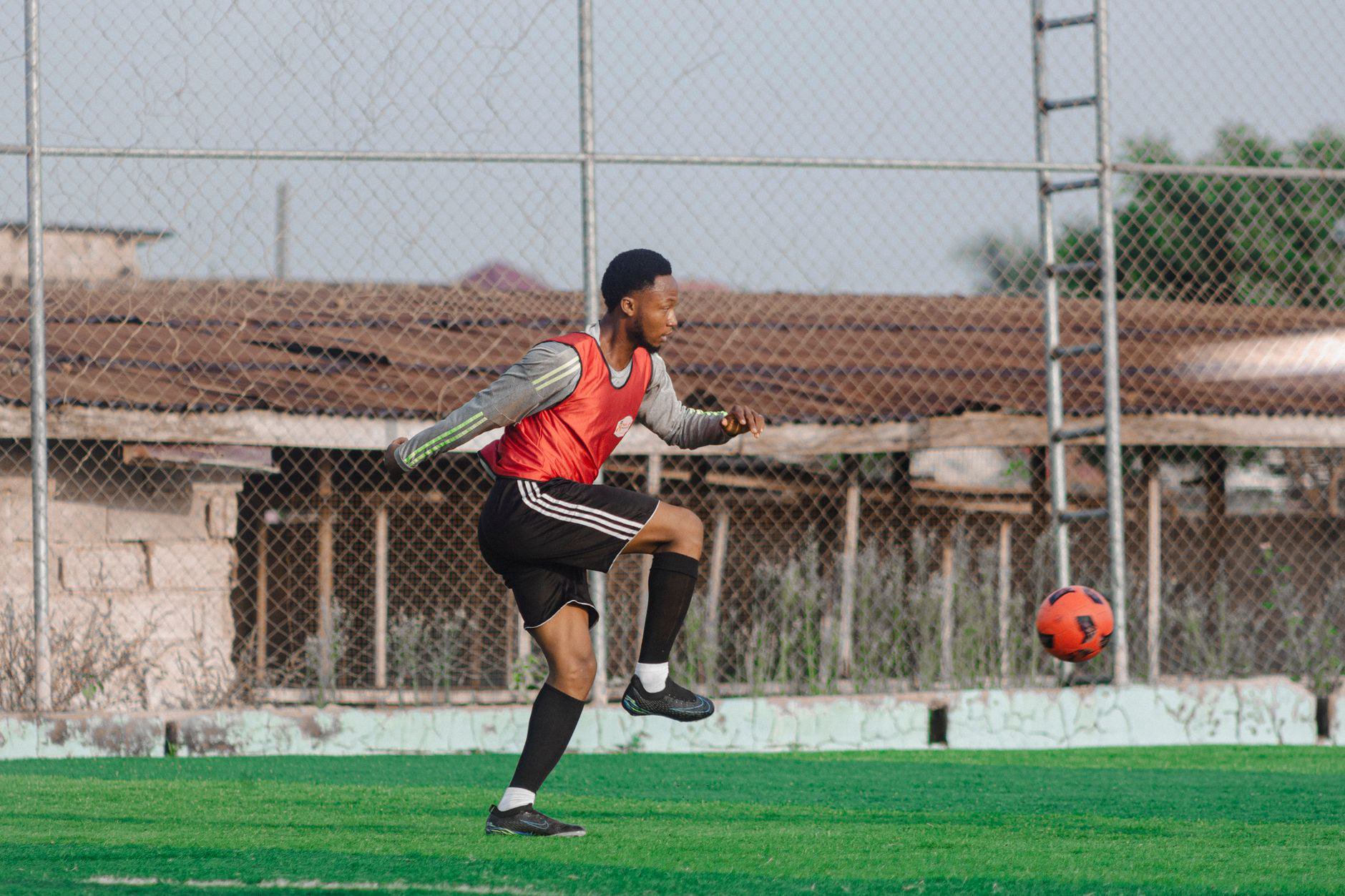
Feet come in various shapes: narrow arches, flat soles, and wide forefeet. Standard boot sizing charts often fail to account for foot volume. When trying on new footwear, ensure there is roughly a thumb-width of space between your longest toe and the tip of the toe box. Anything tighter risks bruised toenails during sudden decelerations, while excessive length causes your foot to slide internally.
Midfoot lockdown is equally paramount. The upper must wrap snugly around your instep without pinching. To dive deeper into essential design factors, check out our comprehensive analysis on what actually matters when choosing boots to evaluate leather versus modern knit composites objectively.
Players operating on grassroots budgets can still secure premium comfort. Consulting our curated breakdown of the best football boots under 100 reveals reliable performance options that deliver robust construction without exorbitant price tags.
Always try on boots with the exact match socks and grip socks you wear on weekends. Thin dress socks produce false fitting impressions that lead to painful blister hotspots during competitive ninety-minute games. In addition, walk around the room on your toes to verify that the heel counter does not dig into your Achilles tendon.
Tailoring Boot Fit to Pitch Position

Each positional role places distinct mechanical demands on footwear. Matching upper characteristics with match responsibilities gives you an undeniable edge across ninety minutes:
Goalkeepers and Central Defenders
Defensive anchors require structural stability, durable protection, and aggressive traction when clearing aerial crosses or engaging in crunching slide tackles. Sturdy leather or reinforced synthetic uppers provide essential impact absorption against errant studs. Goalkeepers also prioritize grip during sudden lateral push-offs, often pairing specialized boots with premium goalkeeper gloves grip and care routines.
Midfield Playmakers and Box-to-Box Runners
Central midfielders cover twelve kilometers per ninety minutes, demanding cushioned insoles and responsive touch zones. Textured uppers enhance grip when executing rapid first touches and driven passes under opponent pressure. A comfortable midsole plate prevents arch fatigue during relentless two-way running across congested pitch corridors.
Wingers and Strikers
Pacy forwards demand ultralight speed boots with razor-thin synthetic uppers for a barefoot ball sensation. Minimalist construction reduces rotational weight, optimizing pure acceleration during fast counter-attacking sprints. An aggressive toe spring assists forward propulsion out of tight turns and sudden directional pivots.
Stud Configurations and Surface Safety

Selecting the incorrect soleplate for your playing surface is the leading cause of non-contact knee and ankle sprains in amateur soccer. Modern turf engineering requires precise stud selection:
- Firm Ground (FG): Molded conical or chevron studs designed for dry, natural grass pitches.
- Soft Ground (SG): Replaceable metal-tipped studs that bite deeply into muddy, rain-soaked turf.
- Artificial Grass (AG): Shorter, hollow circular studs that reduce rotational drag on synthetic rubber pellets.
- Turf (TF): Dense rubber nubs designed for hard carpet astro-turf surfaces.
High-performance outdoor disciplines across the globe place extreme emphasis on contact traction and biomechanics. Specialized winter machines, such as the precision vehicles engineered at winter sports engineering, highlight how purpose-built contact interfaces optimize balance, control, and athlete safety over unforgiving surfaces.
Never wear FG studs on third-generation artificial grass pitches. The aggressive blades cling to synthetic grass fibres, fixing the foot in place while the knee rotates, which significantly elevates ligament tear hazards. Choosing an AG-certified soleplate ensures healthy knees throughout a long playing career.
Break-In Routines and Longevity Care
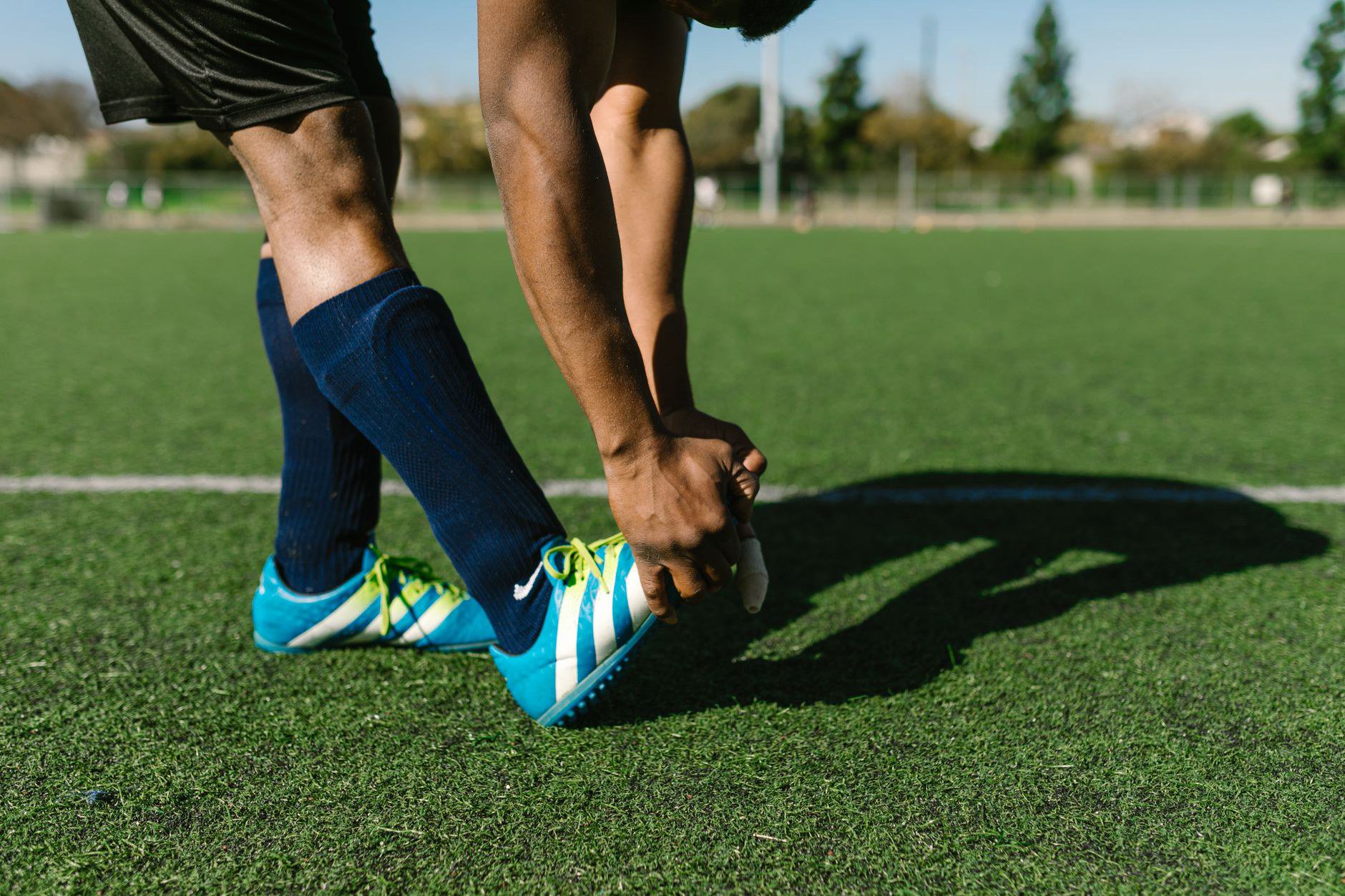
Never wear a brand new pair of boots straight into a full competitive ninety-minute fixture. Stiff soleplates and synthetic heel counters need gradual conditioning. Wear your boots during light passing sessions or around the house with thick match socks before matchday.
After muddy winter matches, clean off dirt using lukewarm water and a soft brush. Avoid drying wet boots directly on hot radiators, as intense dry heat shrinks leather fibers and cracks soleplate adhesives prematurely. Stuffing boots with crumpled newspaper absorbs internal moisture naturally while preserving the structural toe shape.
| Position Group | Key Boot Feature | Recommended Upper Material |
|---|---|---|
| Defenders & Keepers | Padded strike zone & heel protection | K-leather or reinforced synthetic |
| Central Midfielders | 360-degree touch texture & comfort | Knit upper with supportive insole |
| Wingers & Forwards | Ultralight sprint frame & slim fit | Thin synthetic speed mesh |
Final Advice for Grassroots Footballers
Take your time when lacing up. Measure both feet annually, try on footwear in the late afternoon when feet naturally swell, and prioritize anatomical comfort over marketing hype. When your boots feel like an extension of your body, your confidence on the pitch skyrockets.
Remember that the best boot is always the one that lets you forget you are wearing it. Comfort breeds freedom of movement, and freedom of movement delivers winning performances week after week. Treat your boots with care, and they will support you across countless memorable match victories.
Related Analysis
Top 5 Things to Know About Football Boots Review
Confused by football boots reviews? Our team shares the five things we check before buying: surface,…
Top 5 Practical Lessons About Football Boots Review
Struggling to trust a football boots review? Our five hard-won lessons help you judge fit, surface,…