Building Match Speed: A Simple Sprint Progression
 By lfc_editor
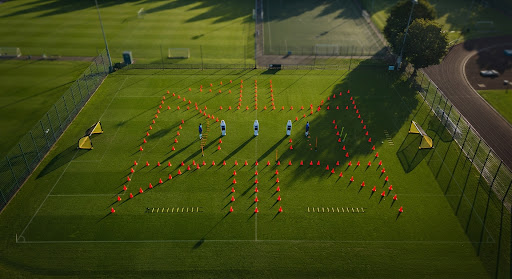
Top speed gets all the attention, but most sprints in an actual match are short — five to fifteen metres — which means acceleration matters far more than outright pace. This simple progression builds match-realistic speed without any special equipment.
Week 1–2: Reaction Starts
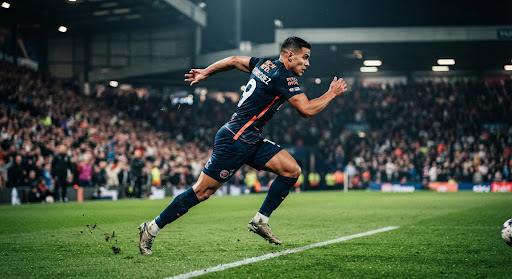
From a standing or jogging position, sprint five metres on a random signal — a clap, a shout, a dropped ball. The unpredictability trains the same reaction speed you need when the ball suddenly breaks loose in a match, rather than the fixed, predictable starts of a running track.
Week 3–4: Change-of-Direction Sprints
Add a single sharp turn partway through a ten-metre sprint. Football speed is rarely a straight line, and learning to keep your acceleration mechanics clean through a turn is what separates match speed from track speed.
Week 5–6: Ball-Carrying Sprints
Repeat the same drills while dribbling a ball. Speed with the ball at your feet uses a noticeably different technique to speed without it, and it’s the version that actually shows up in matches.
Train the speed you’ll actually use, not just the speed that’s easiest to measure.
Keep sessions short — six to eight sprints with full recovery between them is enough. Speed work is about quality, and tired legs teach the wrong mechanics.